
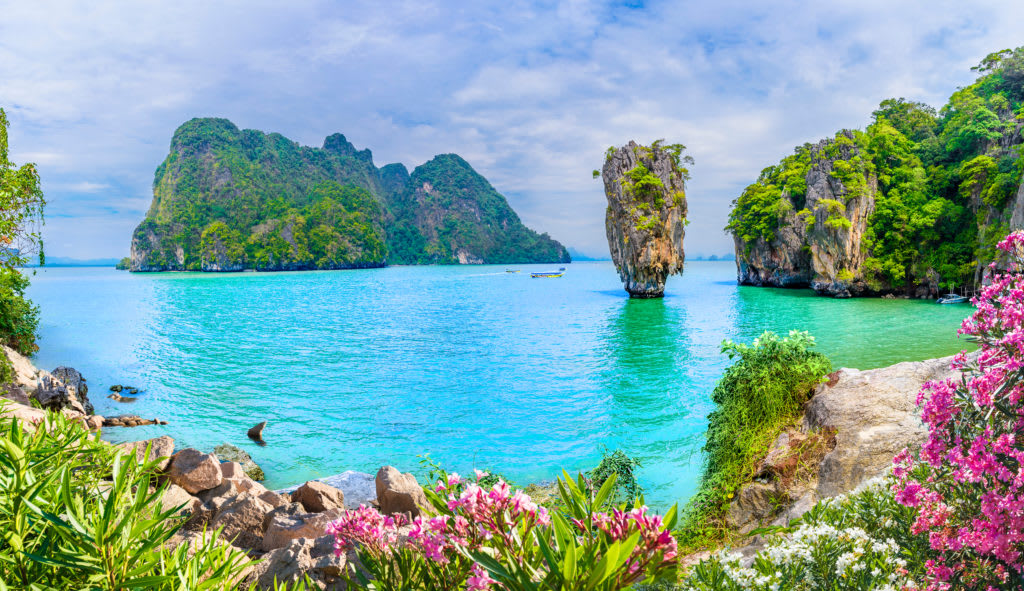
Thailand offers diverse experiences, attracting millions of visitors each year to explore its rainforests and sandy beaches. While this tourism boom benefits the country’s economy, it also brings consequences, especially in terms of the environment, and highlights the importance of conscious travel. Therefore, here’s how you can discover Thailand’s natural treasures responsibly and sustainably.
Choose Eco-Friendly Accommodations
Thailand offers a wide range of accommodation for its visitors. However, where you stay can have a significant impact on the environment. As such, choosing a place that prioritises sustainability can contribute to reducing your carbon footprint. For example, Anantara Golden Triangle Elephant Camp & Resort, located in Chiang Rai in Northern Thailand, embodies the definition of purposeful travel. This resort is committed to not just protecting the environment but also the culture and people. Therefore, when you choose a sustainable accommodation, you not only reduce your carbon footprint but you also support conservation efforts and the local communities.
Support Local and Organic Food
Indulging in local cuisine is a great way to connect with culture and people and also ensures that you travel sustainably. When you look for places to eat, see if the restaurants source their produce locally, which not only contributes to reducing environmental pollution due to transportation but also empowers local small-scale farmers who follow sustainable agriculture practices.
For instance, if you want to visit a Chiang Rai Coffee Bar, check if the place is serving coffee made from beans sourced by local hill tribes and follows fair-trade practices. When you decide to eat or drink at these types of places, you are also contributing to a wider cause.
Explore Nature Responsibly
Thailand’s natural treasures are a massive selling point for most travellers. However, overcrowding has become a serious issue in the country, especially in areas such as the Maya Bay in Krabi. Although it is now open during certain months of the year, it was closed down completely for several years due to overcrowding and to protect its ecosystem. Therefore, if your plan allows, try to avoid visiting overcrowded locations and make a conscious decision to visit lesser-known areas instead. However, if you still want to visit these locations, ensure that you follow the guidelines set by the relevant authorities. Do not try to visit places that are closed or restricted due to conservation efforts. Most importantly, wherever you are, avoid littering and never remove plants, rocks, or animals from their natural habitat.
Rethink Animal Rides
Riding elephants and taking photos with tigers is a common sight in many posters and pictures from Thailand. Although this seems iconic and a must-do, it is important to understand the ethical concerns behind these experiences. Most of these practices often involve cruelty and animal exploitation, and the animals often live in harsh conditions, are subjected to long hours of labour, and are frequently sedated.
That being said, it is important to note that there are ethical wildlife experiences in the country where animals are kept in safe sanctuaries where they are treated with dignity. Choosing an ethical sanctuary to observe and interact with animals will support the welfare and conservation efforts as well. Therefore, it is important to ensure that you check and do some background research before visiting any of these places.
Take part in a conservation effort
Another great way to discover Thailand while travelling sustainably is by participating in a conservation effort. If you decide to stay at an eco-friendly accommodation, the hotel will be able to guide you to find a suitable conservation effort, ranging from marine and bird to elephant conservation and more. Ethical and sustainable tour operators often include hands-on conservation efforts as part of tour packages.
link